
Nightguards for Bruxism – Chesterfield, MO
Protecting Teeth From Additional Wear and Tear

Certain oral habits can quicken the breakdown of tooth enamel, such as teeth grinding or bruxism. Unfortunately, if left untreated, it can lead to serious jaw pain and enamel erosion, putting you at risk of tooth sensitivity and breakage. Dr. Jeff Yenzer and our team can minimize the problem, though, with custom nightguards for bruxism in Chesterfield, MO. Let us safeguard your smile; call our office today to schedule an appointment if you suspect you might benefit from one of these uniquely crafted devices.
What is Bruxism?

Bruxism is the “official” term for teeth grinding and clenching. It’s often caused by stress, a misaligned bite, excessive caffeine consumption, and certain medications. Most patients who practice this habit remain unaware of it because it most commonly occurs at night, while asleep. It’s usually only discovered when visiting a dentist, as they will be able to tell based on the amount of enamel wear and tear.
It’s also common to experience jaw soreness and pain over time, which, if left untreated, can lead to temporomandibular joint (TMJ) disorder (TMD).
How We Treat Bruxism
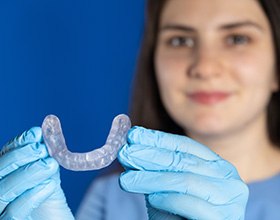
Treating bruxism often requires a custom-made nightguard. This oral device is similar to a traditional mouthguard that you might wear while playing sports; however, it is designed to be worn while you sleep.
The cushioned barrier that is crafted to fit comfortably along the top row of teeth prevents the upper and lower arches from touching throughout the night. Instead of grinding against each other, the nightguard will bear the pressure, preventing any possible tooth damage.
Benefits of a Custom Nightguard

Wearing a custom nightguard to treat your bruxism produces many great benefits, such as:
- Superior protection by shielding your teeth from further damage caused by grinding and clenching
- Custom-made oral appliance that fits your mouth comfortably and correctly
- Reduced jaw pain because the appliance serves as a cushion between teeth, bearing any pressure
- Fewer headaches and earaches
- Better sleep by reducing the number of interruptions caused by clenching
- Reduced risk of temporomandibular joint disorder (TMD)
- Greater dental savings by lowering the risk of dental damage that might otherwise require root canals, dental crowns, or tooth extractions
Do I Need a Nightguard?
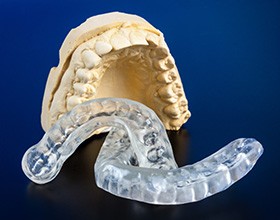
Only Dr. Yenzer can determine if you need a nightguard; however, certain symptoms can arise that may indicate you need something to shield your teeth from further damage. They include:
- Jaw pain or soreness
- Frequent headaches
- Worn-down tooth enamel
- Heightened tooth sensitivity
- Earaches
- Tongue indentations
- Oral damage or bleeding inside your mouth